

‘Soft Power' Isn't Soft — Especially for Israel
What Davos and the Global Soft Power Index 2026 revealed about influence today, and the lessons Israel cannot afford to ignore.
By Joanna Landau
Founder, Reputation Nation
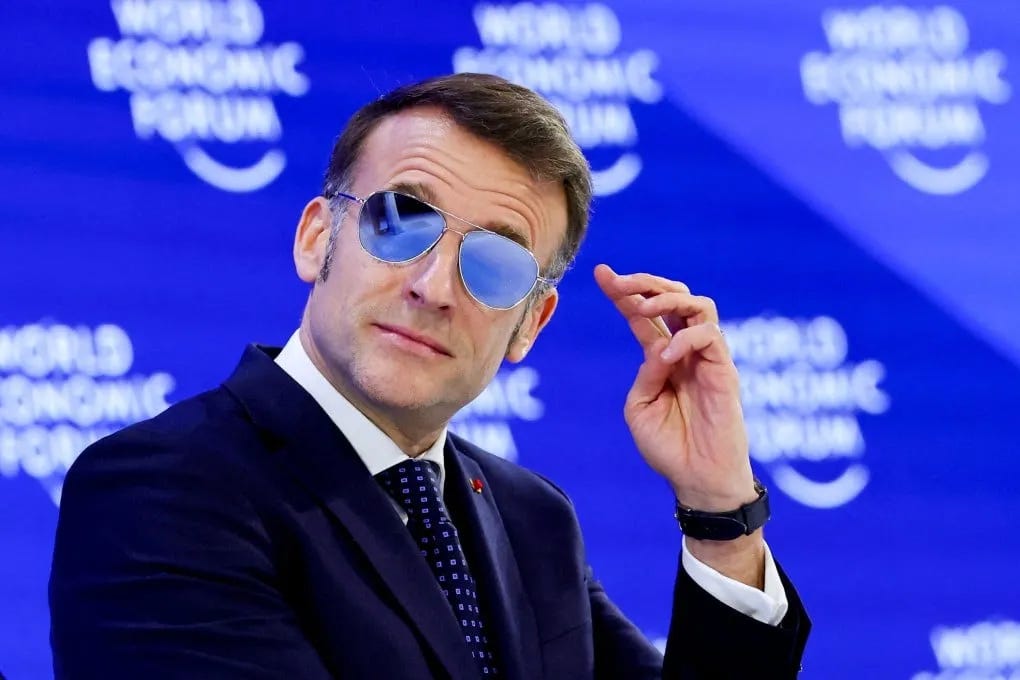
At the World Economic Forum in Davos, the world’s most powerful people gather to discuss inflation, war, climate risk, artificial intelligence, and the future of global order.
And yet, the image that travelled furthest this year was not a policy proposal or a keynote line. It was Emmanuel Macron wearing aviator sunglasses.
The photos were everywhere. Then came the memes. For a brief moment, Davos, that most earnest of global gatherings, was distilled into a single visual shorthand: confidence, charisma, Frenchness, authority, style. Or, apparently, a burst blood vessel.
It would be easy to dismiss this as superficial, or to note that many people were smirking rather than admiring. But that, too, is part of the story. In an attention economy, being mocked still means being seen. Being meme-ified still means being familiar. And familiarity, whether affectionate or ironic, is one of the core building blocks of soft power.
That is precisely why, during Davos this year, a quietly influential document was released alongside the speeches and side events: the Global Soft Power Index, produced by Brand Finance.
Based on surveys of more than 150,000 people across over 100 countries, the index ranks 193 nations according to how they are perceived across influence, trust, governance, culture, values, and familiarity. It is one of the few attempts to systematically measure something governments feel instinctively but rarely plan for rigorously: reputation as a strategic asset.
This year’s findings include an uncomfortable data point for Israel.
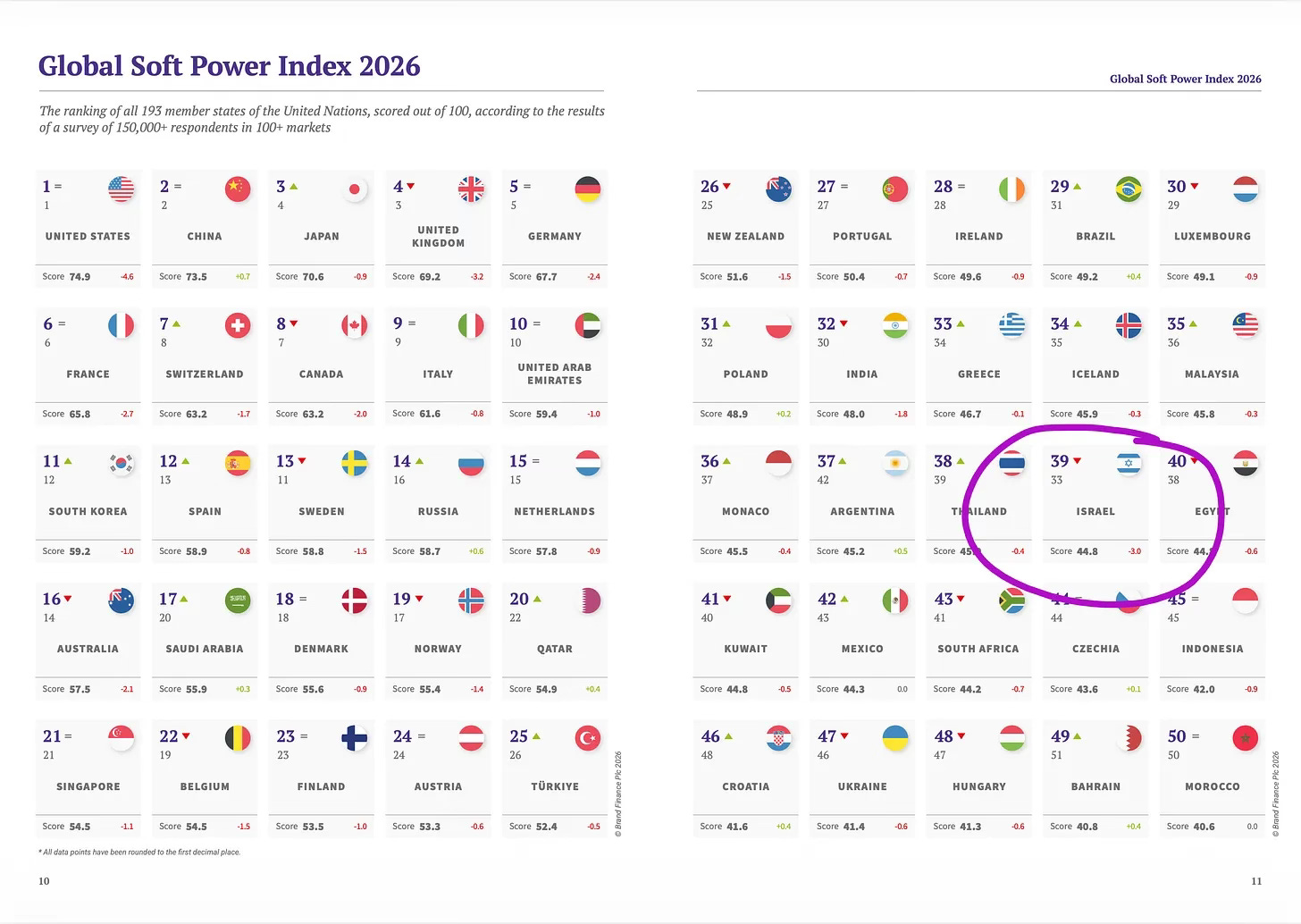
Israel ranked 39th in the 2026 index, down six places from last year, and far from its 25th-place position in 2020, when the index was first launched. On its own, that number is easy to misread. Rankings always are. What matters more is what sits beneath it.
So rather than treating the index as a scorecard, it’s more useful to read it as a set of signals. Here are five takeaways from this year’s Global Soft Power Index that are particularly relevant for how Israel understands power, perception, and its place in the world today.
1. Israel’s decline is not marginal, it’s structural
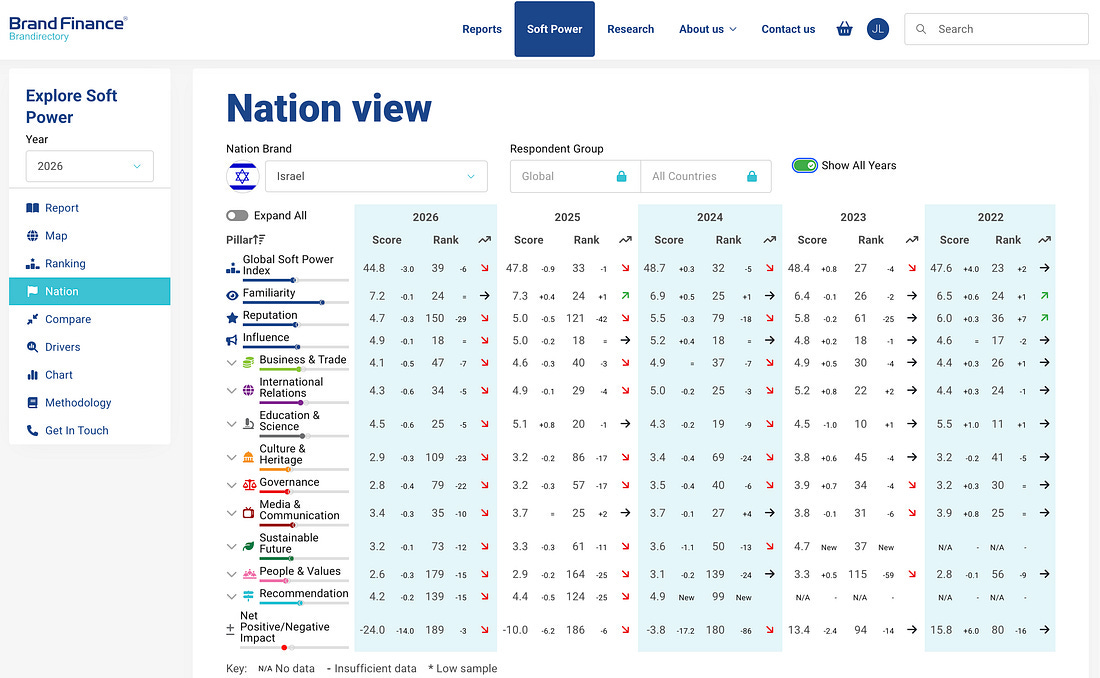
Israel recorded the steepest rank drop among the top 50 countries this year, falling six places with one of the largest score declines in the entire index. This is not a blip or statistical noise. It reflects sustained reputational erosion over multiple years. We may not be surprised, in light of everything that has happened since October 7th, but the trend matters more than the rank.
Since 2020, Israel has moved steadily downward (look at all those red downward arrows in the chart above), from the mid-twenties into the high thirties. That points to a structural problem, not a temporary reputational dip that can be attributed to the last two years alone.
2. Democracies pay a higher reputational price for hard power
One of the index’s clearest findings is that hard power carries asymmetric reputational costs: Authoritarian states can sometimes gain influence through coercion or visibility, but democracies, by contrast, are judged against the values they claim to represent.
When military force dominates the narrative for extended periods, global perceptions of governance, values, and global contribution deteriorate quickly. Israel is cited explicitly as an example of this dynamic. The takeaway is uncomfortable but important: legitimacy at home does not translate automatically into legitimacy abroad.
3. Familiarity functions like reputational credit
Soft power works less like popularity and more like credit.
Countries with deep reservoirs of global familiarity, through culture, education, tourism, media, and everyday presence, can absorb reputational shocks without immediate collapse. The United States and the United Kingdom both declined sharply this year, yet remain near the top of the ranking because their familiarity buffers are enormous.
Israel’s challenge is not a lack of assets. It has world-class technology, vibrant cities, an incredible culinary scene, dynamic culture, groundbreaking science, and unlimited diversity. The difference is that outside of tech, these stories have not been consistently translated into global familiarity at scale. Those of us who have been following Israel’s positioning for over a decade know that while people think they’re familiar with Israel, what they’re really familiar with is Israel through the very narrow lens of the conflict. That’s not what should define us - but by our very neglect of this space, that’s what it has come to.
What people do not know, they cannot appreciate.
4. Influence can be manufactured, and Qatar proves it
Qatar ranked 31st in 2020. In 2026, it ranks 20th.
This did not happen because the world reassessed Qatar’s political system or developed a newfound appreciation for the Emir’s policies. It happened because Qatar invested heavily and deliberately in visibility, association, and engagement: Sports, culture, diplomacy, media platforms, elite partnerships, and global events were not side projects. They were instruments.
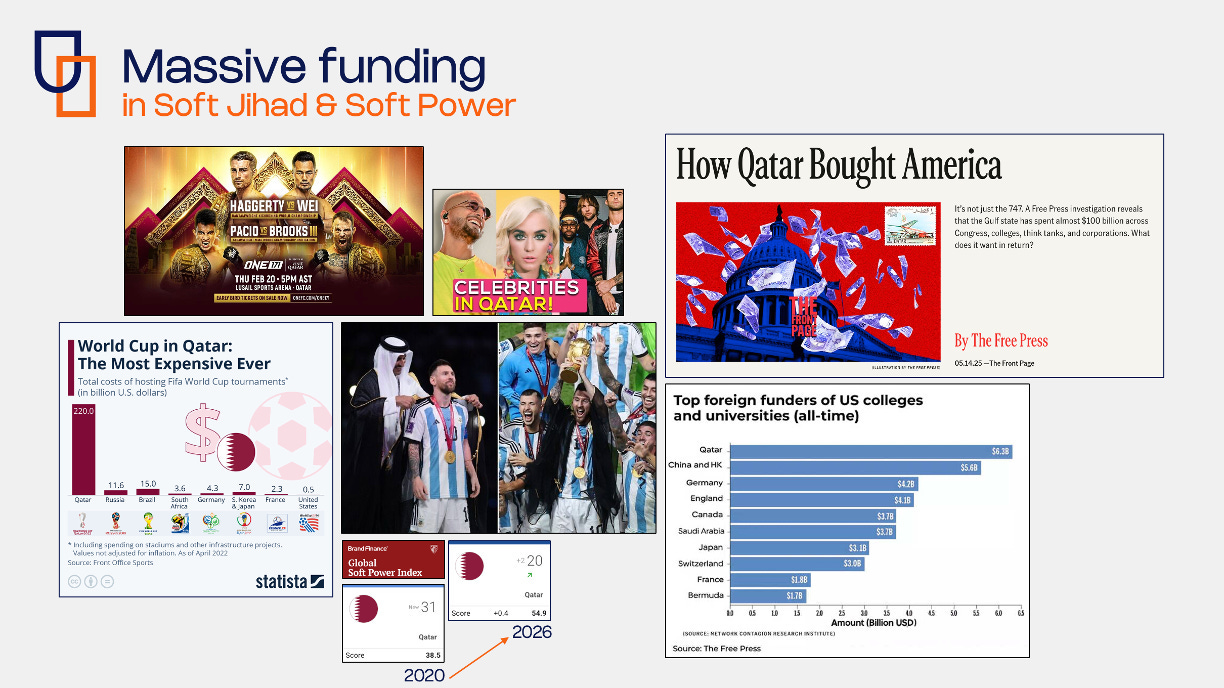
The lesson is not that Israel should emulate Qatar’s methods or values, because using soft power with an ulterior motive is not something we should aim for. The lesson is that perception is far more malleable than democracies often like to admit, and leaving it unattended has consequences.
5. Culture buys time when politics erode trust
Countries that perform best under reputational stress tend to have strong cultural and emotional anchors. South Korea is a notable example in the index. Despite political turbulence, its global standing remains resilient thanks to sustained investment in culture, media, and lifestyle exports.
Culture creates emotional attachment. Emotional attachment creates patience. Israel has cultural depth and creative energy, but it has not treated culture as strategic infrastructure. In moments of crisis, that absence becomes visible immediately.

In conclusion: A country’s reputation is a national asset
The Global Soft Power Index is not a verdict or a prophecy. It is a diagnostic, showing how countries are currently being perceived by the world.
The core message here is that reputation is no longer a byproduct of power, but an asset in its own right. In an attention economy, perception increasingly shapes how policy, security, and intent are interpreted, often before facts are even considered. The question for Israel then becomes: what measures is it taking to ensure its reputation is an asset, and not a liability?
JOANNA LANDAU is a global branding expert and coauthor of the international bestseller ETHICAL TRIBING: Connecting the Next Generation to Israel in the Digital Era.
From navigating the nuances of family and relationships to unpacking history and politics to finding the human angle on sports and entertainment — plus our unsparing take on what’s happening in the Jewish world — the canvas at JEWDICIOUS is limitless!

Thank you for featuring!