

Israel's Essential Challenge
In the wake of a war where Israel was forced to defend itself valiantly, the State must now strategize to win the battle of geo-public relations. History teaches us how a nation's reputation matters.
By Joanna Landau
Founder, Reputation Nation

I write about how countries build, defend and promote their global image, so I didn’t think a lecture about Marie Antoinette and her love for fashion would serve as food for thought in this space. But sometimes dots connect in the most weird and wonderful way, don’t they?
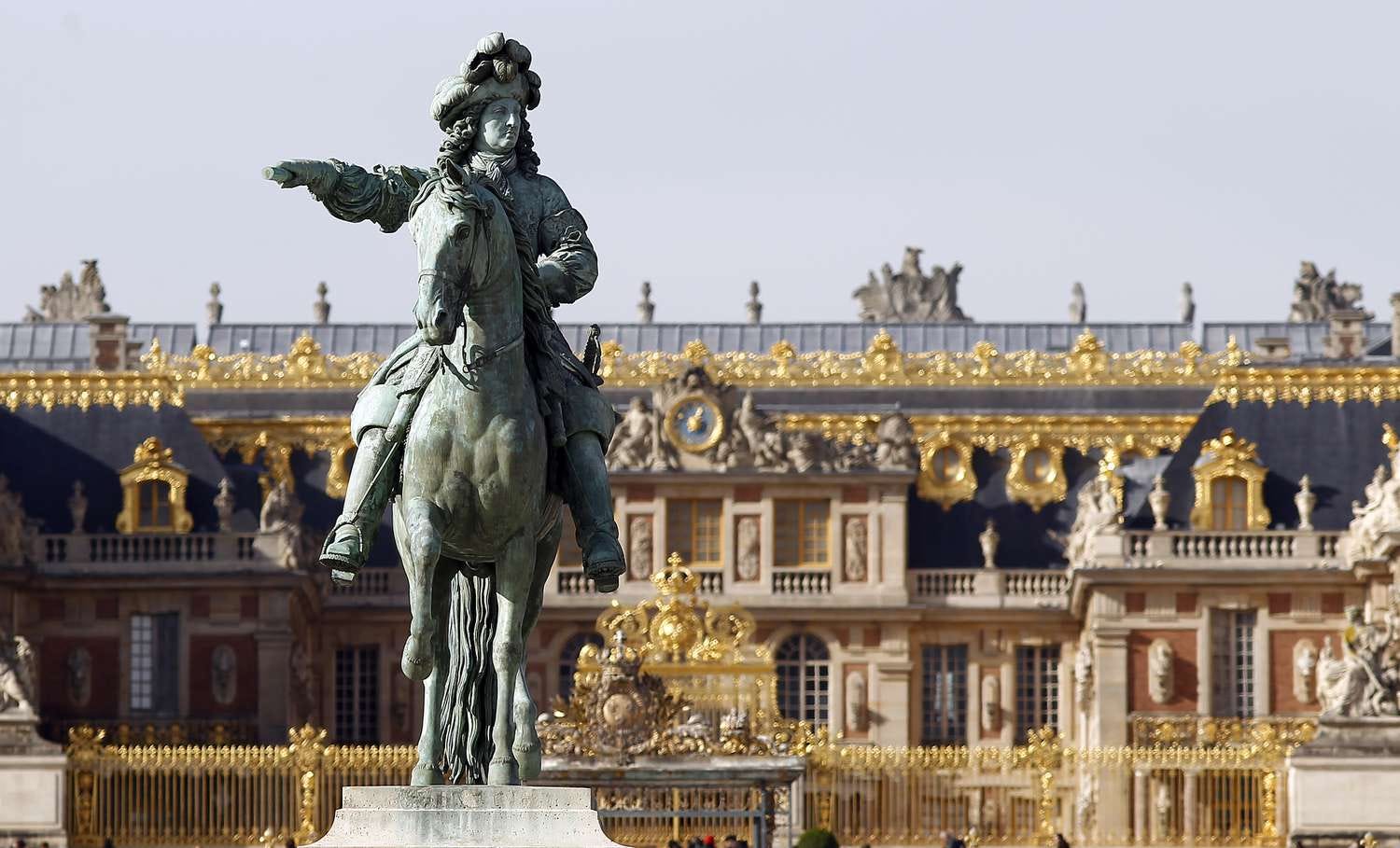
To explain the controversial queen’s opulence, the lecturer took us back to the reign of Louis XIV. You cannot understand her excess, she explained, without understanding the world her husband’s great-great-grandfather created before her.

Turns out that the “Sun King” was very strategic about the outfits he chose and the glitter he sprinkled: He knew that while he was consolidating one of the most formidable military forces in Europe, he needed to convey wealth, order, dominance, and confidence.
What struck me was not the extravagance itself, but the logic behind it: Louis XIV understood that a strong army alone cannot define France as a superpower, that power needs to be projected across domains. In other words, military force signaled capacity, but culture, ceremony, and spectacle signaled confidence and control. Together, they reinforced one another.
Fast forward a few centuries, and shifting the spotlight from France then to Israel today, that insight still feels uncomfortably relevant.
Israel has invested heavily, and rightly, in kinetic power. In the Middle East, deterrence is not theoretical and the strength of the IDF and Israel’s security apparatus( is not optional; it is the backbone of survival. But in the 21st-century, just like the 18th century, turns out that it isn’t enough: Military strength without reputational strength is unstable and easily eroded.
Not that Israel lacks assets beyond the military sphere. On the contrary, Israel built a world-class high-tech ecosystem that earned the label “Startup Nation.” It cultivated a dynamic culinary scene that reflects its diversity. It sits on some of the most unique religious, historical, and geographic tourism assets anywhere in the world. It’s cultural achievements and scientific breakthroughs are truly inspiring. The raw material for reputational power exists here in abundance.
What has been missing is conversion.
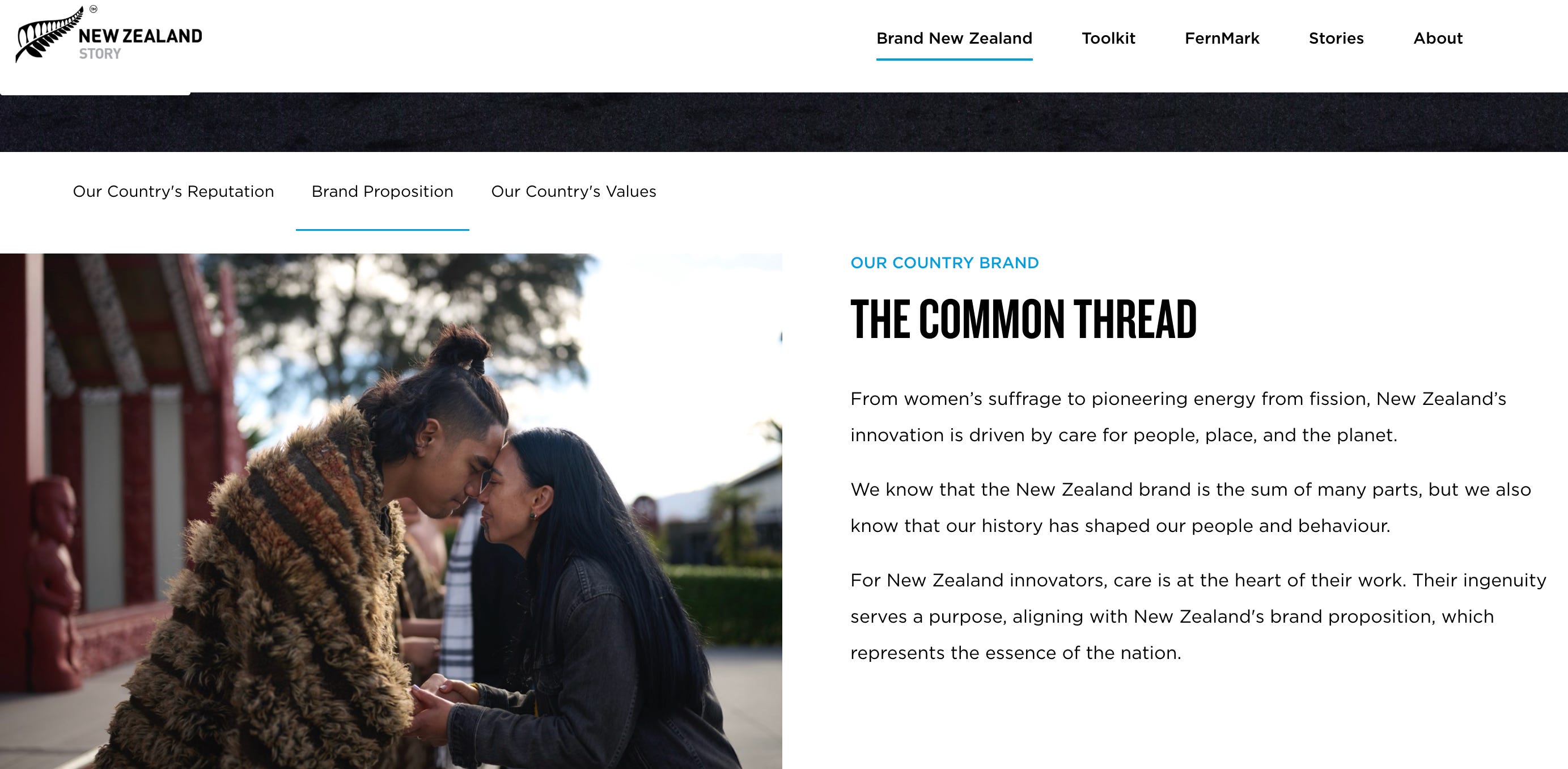
Other countries understood that assets do not translate themselves, they require careful care and strategic investment to convert into reputational brownie points. For example, New Zealand did not simply assume its landscapes would define it. Through its New Zealand Story directorate, the government aligns tourism, exports, and national positioning under a coherent strategy, centering around a main theme of caring for people, place and planet.
The same can be said for Thailand, which did not wait for private restaurants to carry its identity abroad. The state actively supported culinary diplomacy, investing in chef training and international expansion so that Thai cuisine became an instrument of influence.

Estonia did not let its digital reforms remain a domestic achievement either. Through its e-Estonia program, it exported its governance model and turned administrative innovation into a defining global identity.
In each case, these governments do not outsource national reputation to their private sector or nonprofits. They lead the process, and galvanize their stakeholders to take part in the effort. They understand, like many other countries, that reputational power requires coordination, investment, and long-term ownership.
Israeli governments, by contrast, have largely assumed for decades that excellence would speak for itself. Israeli entrepreneurs built and exported cutting-edge technology. Israeli chefs opened restaurants and took them overseas. Israeli tour operators (and Jewish nonprofits like Birthright) created life-changing experiences and invested in marketing them globally.
But (aside from heavy investment by the Tourism Ministry between 2015 until Covid hit) there has been little to no sustained, government-led architecture that translated these achievements into broad, stable global positioning. The strengths remained fragmented.
Then came October 7.
When Israel mobilized its military strength, the global reaction did not unfold in a neutral environment. In many ways, its military success has been a double edged sword. For much of the international audience, Israel is now perceived primarily through a single lens: a militarily powerful state, technologically advanced and capable, yet framed as an oppressor. This should come as no surprise, because when military force is the most visible and continuous signal a country sends, and no complementary story serves as a backdrop, it begins to define the entire narrative.
The problem is not that Israel lacks other dimensions. It is that those dimensions were never converted into equally visible reputational power. The world does not consistently encounter Israeli society, innovation, and culture in ways that shape identity at scale. Those offerings exist, but they do not anchor the perception of the state.
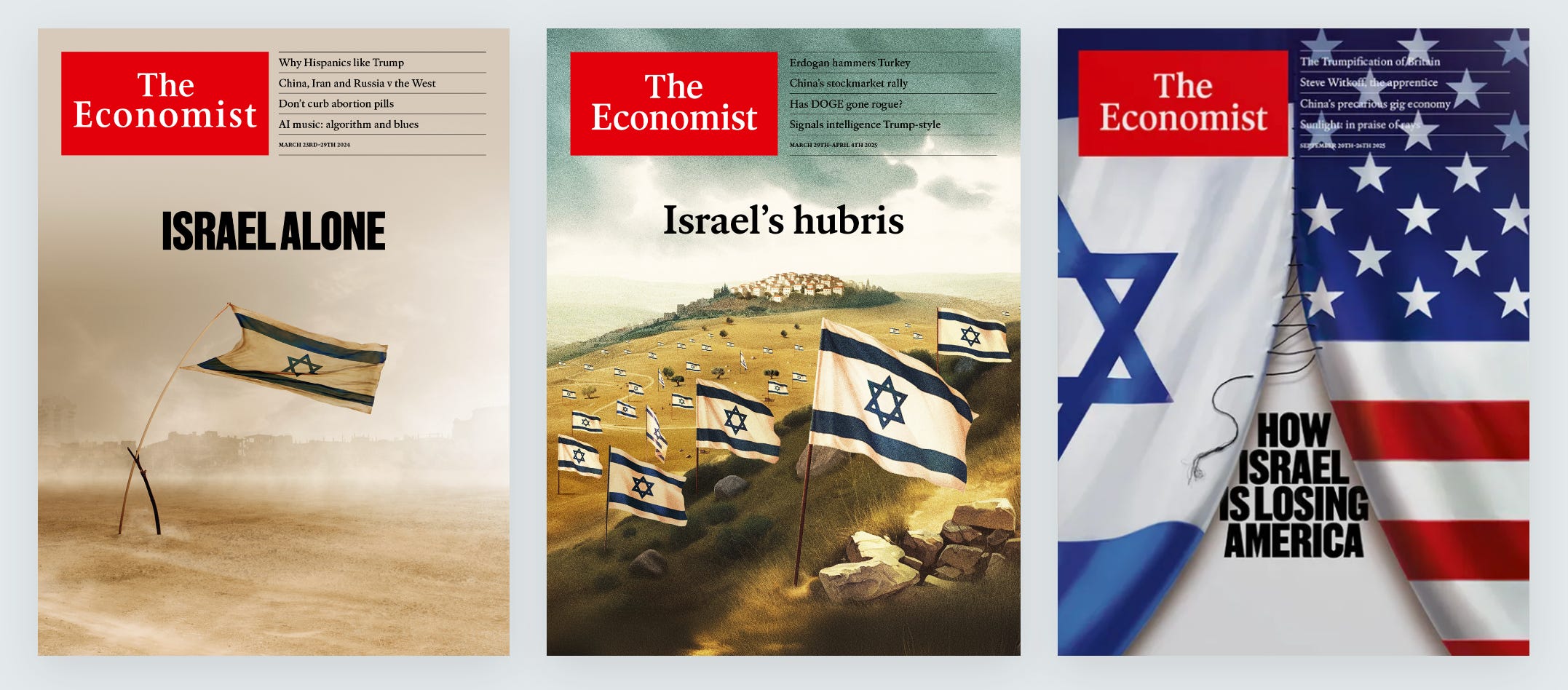
The result is what I would call “reputational debt,” by which I mean accumulated vulnerability in the perception domain that compounds over time when not deliberately managed. This isn’t the kind of debt that you feel every day. It builds quietly, as it did in the years leading up to October 7. But it explodes and becomes extremely visible during crisis. And that’s what we’re feeling today - as is exhibited in The Economist covers since the war broke out.
When reputational debt accumulates, every military action carries a higher political cost, legal challenges escalate quickly, corporate actors and celebrities take public positions, diplomatic backing becomes more conditional, and public opinion against the country mobilizes seamlessly across borders. An army may remain strong and be able to withstand physical threats, but the environment around it tightens and a nation becomes besieged due to its weak reputational security.
It is time Israel recognizes that sustaining kinetic power requires more than weapons. It requires diplomatic space, economic resilience, and international tolerance. When reputational strength lags behind military strength, the sustainability of that force erodes.
What the last two years have shown us, more than ever before, is that Israel needs kinetic power to survive, but a robust and appealing reputation to thrive.
Israel will turn 78 this year - younger than the number of years that separated Louis XIV from Marie Antoinette - and yet, unlike the French monarchs, it is here to stay and has built extraordinary capability. But it has yet to build the parallel reputational infrastructure to sustain itself for centuries to come. Reputational debt is the interest it will continue to pay, but can it really afford to anymore?
JOANNA LANDAU is a global branding expert and coauthor of the international bestseller ETHICAL TRIBING: Connecting the Next Generation to Israel in the Digital Era.
From navigating the nuances of family and relationships to unpacking history and politics to finding the human angle on sports and entertainment — plus our unsparing take on what’s happening in the Jewish world — the canvas at JEWDICIOUS is limitless!

Excellent insights! As a Jewish (not Israeli) American, the mentality of some Israeli-Americans I've met, perhaps sheds some light on why this challenge (rehabilitating Israel's image abroad) is so tough—October 7th served to confirm their suspicion that the entire world was against them. Prior to "7/10" (day precedes month, euro-style), it might have been characterized as paranoia. Post-7/10; well, we all saw how quickly (before the dust settled from the horrific terrorist massacre) so much of the world blamed & vilified Israel. Therein lies the difficulty.